
Braces have been one of the most dependable ways to correct crooked teeth, bite problems, and alignment concerns for decades. Today, braces are more comfortable, efficient, and discreet than ever before. Smaller brackets, advanced wires, and personalized treatment planning help children, teens, and adults achieve healthier, straighter smiles.Braces do more than improve the way your …


Braces have been one of the most dependable ways to correct crooked teeth, bite problems, and alignment concerns for decades. Today, braces are more comfortable, efficient, and discreet than ever before. Smaller brackets, advanced wires, and personalized treatment planning help children, teens, and adults achieve healthier, straighter smiles.
Braces do more than improve the way your smile looks. They can also support better bite function, easier brushing and flossing, and long-term oral health. At Norwalk Orthodontics, our team provides personalized braces treatment for patients in Norwalk, CT and surrounding communities.
What Are Braces?
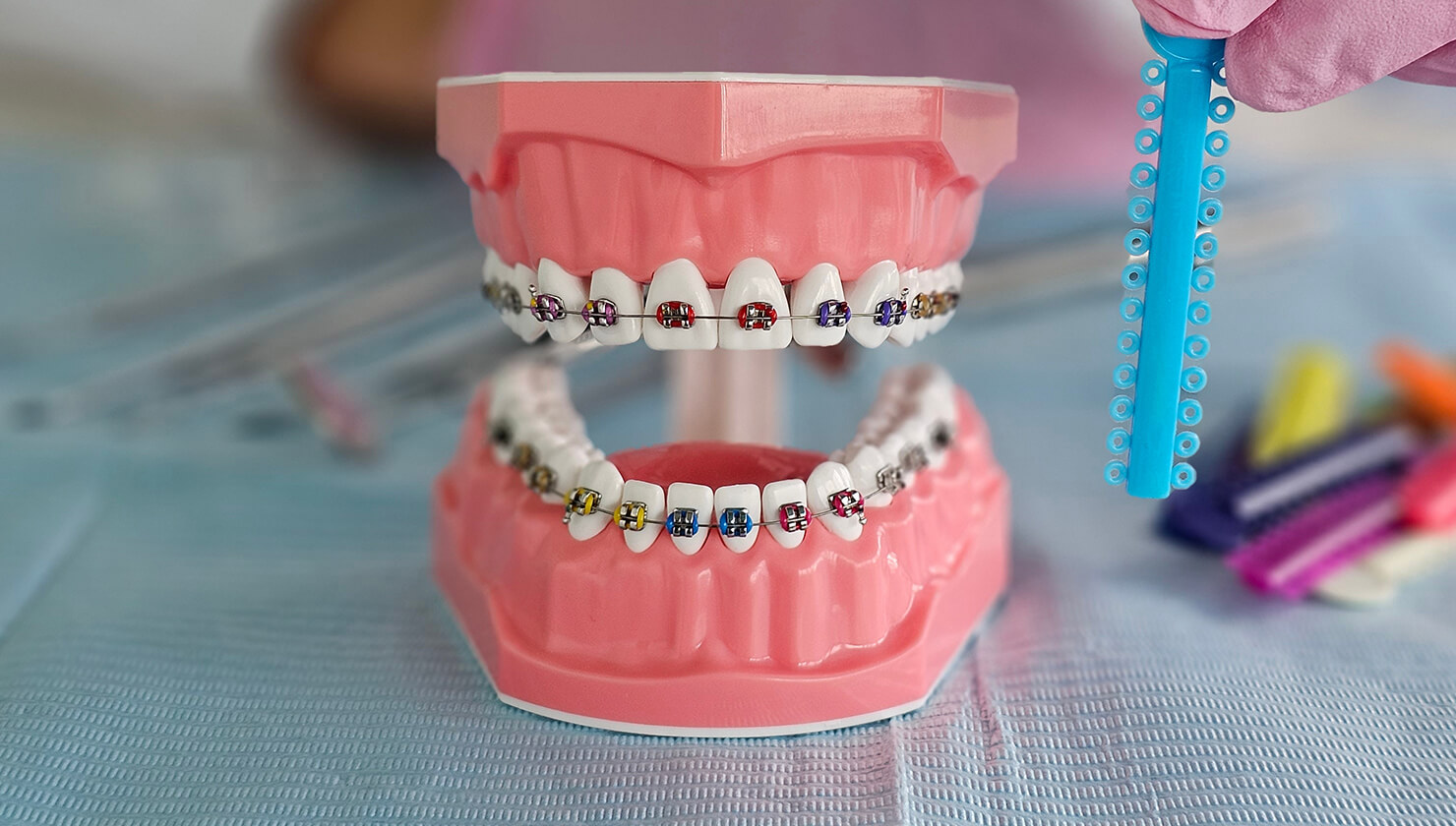
Braces are orthodontic appliances that use brackets and wires to apply gentle, consistent pressure to the teeth. Over time, this pressure gradually moves the teeth into healthier positions.
Braces can help correct many common orthodontic concerns, including:
- Crowded teeth
- Gaps or spacing between teeth
- Overbite
- Underbite
- Crossbite
- Open bite
- Misaligned teeth
- Jaw alignment concerns
- Bite problems
Catching these issues early can sometimes make treatment simpler later on. However, braces can be effective for patients of many ages, including children, teens, and adults.
How Braces Work
Every braces treatment plan begins with a consultation. During this visit, your orthodontist will evaluate your teeth, bite, jaw alignment, and smile goals. X-rays, photos, and digital scans may be used to create a detailed treatment plan designed around your specific needs.
Once treatment begins, brackets are bonded to the teeth and archwires are placed to guide tooth movement. Throughout treatment, patients visit the office for adjustment appointments. These visits allow the orthodontic team to monitor progress and make small changes that keep the teeth moving in the right direction.
After braces are removed, retainers help maintain the new position of the teeth. Wearing retainers as instructed is an important part of protecting your results long-term.
Types of Braces Available
There are several types of braces available, and the right option depends on each patient’s needs, goals, and lifestyle.
Traditional Metal Braces
Traditional metal braces are one of the most reliable orthodontic treatment options. They can treat everything from minor crowding to more complex bite concerns.
Modern metal braces are smaller, more comfortable, and more efficient than braces used in the past. They are a great option for children, teens, and adults who need precise tooth movement.
Clear Braces
Clear braces work similarly to traditional metal braces, but they use ceramic or tooth-colored brackets that blend more naturally with the smile. This makes them a popular option for older teens and adults who want a more discreet treatment option.
Clear braces can treat many of the same alignment and bite concerns as traditional braces while offering a less noticeable appearance.
Clear Aligners
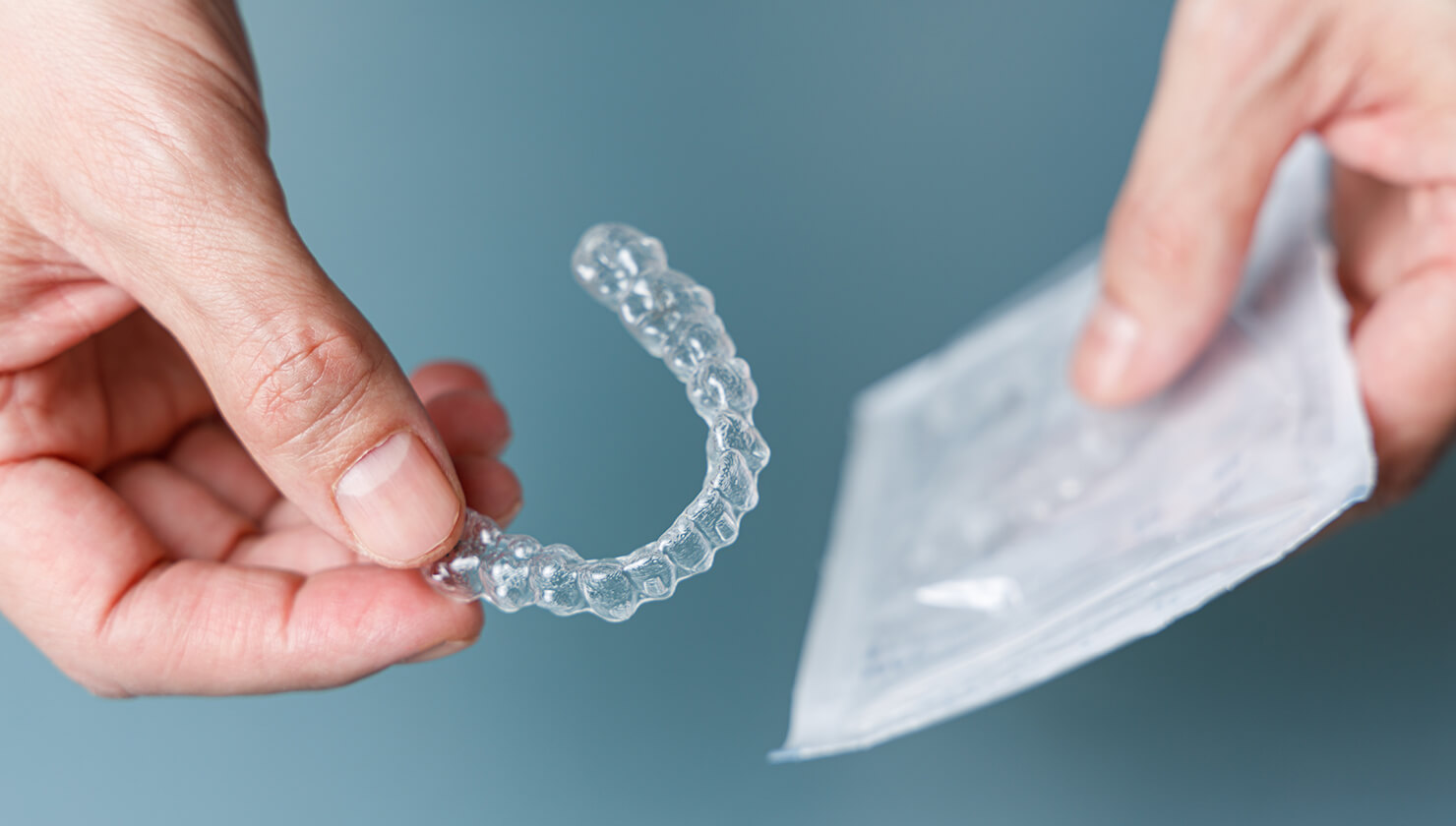
Clear aligners use a series of custom trays to gradually shift the teeth into better alignment. They are removable, which means patients can take them out to eat, brush, and floss.
Clear aligners can be a great option for the right cases, but they require consistency. They only work properly when worn as directed.
Patients interested in a removable treatment option can learn more about Invisalign and whether clear aligners may be right for their smile.
Benefits of Braces Treatment
Braces remain one of the most effective orthodontic solutions because they can correct a wide range of tooth and bite concerns.
Benefits of braces may include:
- Straighter teeth
- Improved bite alignment
- Easier brushing and flossing
- Better chewing function
- Reduced uneven tooth wear
- Improved smile confidence
- Long-term oral health support
Straighter teeth are often easier to clean, which can help reduce plaque buildup and support healthier gums. A balanced bite can also make chewing more comfortable and may help reduce unnecessary stress on the teeth and jaw.
Long-Term Benefits of Braces
The benefits of braces are not only cosmetic. Well-aligned teeth can wear more evenly, function more comfortably, and be easier to maintain with daily oral hygiene.
Some patients may also notice improvements in speech or chewing after orthodontic treatment. Once treatment is complete, wearing retainers as directed helps keep the teeth in their new positions and protects the investment made in your smile.
What Determines the Cost of Braces?
The cost of braces varies from patient to patient because every smile is different. Several factors can affect the total cost of treatment, including:
- The complexity of the case
- The type of braces selected
- The expected treatment length
- Whether additional appliances are needed
- Retainers after treatment
- Insurance benefits
- Available payment options
A consultation is the best way to receive an accurate estimate based on your specific needs. Norwalk Orthodontics provides helpful information about payment options on the Finance & Insurance page.
Why Braces Costs Vary Between Patients
Braces costs vary because each treatment plan is customized. A patient with mild spacing may need a shorter treatment plan than someone with more complex crowding or bite correction.
Age, dental development, treatment goals, and case complexity can all influence the final cost. Insurance coverage and financing options may also affect what patients pay out of pocket.
During your consultation, the team can review your treatment plan, estimated cost, insurance benefits, and payment options before treatment begins.
Braces for Every Age Group
Braces can help children, teens, and adults achieve healthier, more confident smiles.
Braces for Children
An early orthodontic evaluation allows the orthodontist to monitor jaw growth, tooth eruption, and bite development. Sometimes, early care can help guide growth and prevent orthodontic concerns from becoming more complicated later.
Not every child needs early treatment, but an evaluation can help determine the best timing. Parents can learn more about children’s orthodontic care by visiting the Early Orthodontics page.
Braces for Teenagers
The teen years are a common time for braces because most permanent teeth have come in and the jaw is still developing. Braces can help guide tooth alignment, correct bite concerns, and support better oral hygiene habits.
Teen patients should brush carefully around brackets and wires, avoid foods that can damage braces, and keep up with regular orthodontic appointments.
Braces for Adults
More adults are choosing orthodontic treatment than ever before. Braces can help correct crowding, spacing, bite issues, and teeth that have shifted over time.
Modern treatment options make braces more comfortable and convenient for adults. Clear braces or Invisalign may also be options for patients who want a more discreet approach.
Choosing the Right Orthodontic Treatment
Choosing the right treatment starts with a personalized consultation. Your orthodontist will evaluate your teeth, bite, jaw alignment, and goals before recommending braces, Invisalign, or another treatment option.
Helpful questions to ask during your consultation include:
- Which treatment option is best for my case?
- How long will treatment take?
- What type of braces do you recommend?
- Am I a candidate for Invisalign?
- How often will I need appointments?
- What foods should I avoid with braces?
- Will I need retainers after treatment?
- What payment options are available?
If you are preparing for your first visit, you can review the New Patient Forms page before your appointment.
Why Personalized Treatment Planning Matters
No two smiles are exactly the same. Personalized treatment planning allows your orthodontist to create a plan based on your teeth, bite, jaw development, and long-term smile goals.
Digital imaging, a thorough clinical exam, and careful treatment planning help create more predictable results. Instead of using a one-size-fits-all approach, your orthodontist can recommend a plan that is designed around your specific needs.
Benefits of Choosing an Experienced Orthodontic Team
An experienced orthodontic team looks at more than tooth position. They evaluate bite function, jaw relationships, facial balance, and long-term smile stability.
At Norwalk Orthodontics, patients receive guidance throughout every stage of treatment. Regular visits help keep tooth movement on track, while home-care instructions help patients protect their teeth and braces between appointments.
Once active treatment is complete, retainers help maintain the results and protect your new smile.
Areas We Serve
Norwalk Orthodontics proudly provides Invisalign, clear aligners, braces, and comprehensive orthodontic treatment for patients in:
- Norwalk, CT
- Darien, CT
- Westport, CT
- Spring Hill
- South Norwalk
- East Norwalk
- Weston
- Surrounding Connecticut communities
Schedule a Braces Consultation in Norwalk, CT
Braces can help improve your smile, bite, confidence, and long-term oral health. Whether you are exploring braces for your child, your teen, or yourself, Norwalk Orthodontics can help you understand your options and choose a treatment plan that fits your needs.
To get started, contact Norwalk Orthodontics to schedule a consultation.
Frequently Asked Questions About Invisalign
Who offers braces treatment in Norwalk, CT?
Norwalk Orthodontics provides braces treatment for children, teens, and adults in Norwalk, CT. Each treatment plan is customized based on the patient’s bite, alignment needs, and long-term smile goals.
Where can I find affordable braces in Norwalk, CT?
Norwalk Orthodontics offers payment options to help make braces more manageable. Insurance benefits, financing, and payment plans may help reduce out-of-pocket costs. The team can review your options during your consultation.
How much do braces cost in Norwalk, CT?
The cost of braces depends on the complexity of the case, the type of braces selected, treatment length, insurance coverage, and payment options. A comprehensive evaluation provides the most accurate estimate.
What types of braces are available in Norwalk, CT?
Treatment options may include traditional metal braces, clear braces, and clear aligner options like Invisalign. Your orthodontist can recommend the best option after evaluating your teeth and bite.
Are braces better than Invisalign?
Braces may be better for more complex bite correction or significant tooth movement. Invisalign may be a good option for patients who want removable, discreet treatment and can wear aligners consistently. The best choice depends on your specific needs.
Can adults get braces?
Yes. Adults can get braces to correct crowding, spacing, bite concerns, or shifting teeth. Modern braces are more comfortable and discreet than ever, making treatment a practical option for many adults.
How long does braces treatment take?
Treatment time varies based on the patient’s needs and the complexity of the case. Many patients wear braces for 12 to 24 months, but your orthodontist can provide a more accurate timeline during your consultation.
Do I need retainers after braces?
Yes. Most patients need retainers after braces to keep their teeth in their new positions. Wearing retainers as instructed helps protect your results long-term.
Book a Consultation
It’s easy and free!