
Invisalign has changed the way many patients think about straightening their teeth. Instead of brackets and wires, Invisalign uses clear, removable aligners that are custom-made for your smile. These aligners apply gentle pressure to gradually move teeth into healthier positions while fitting comfortably into daily life.Because Invisalign aligners are clear and removable, many teens and …


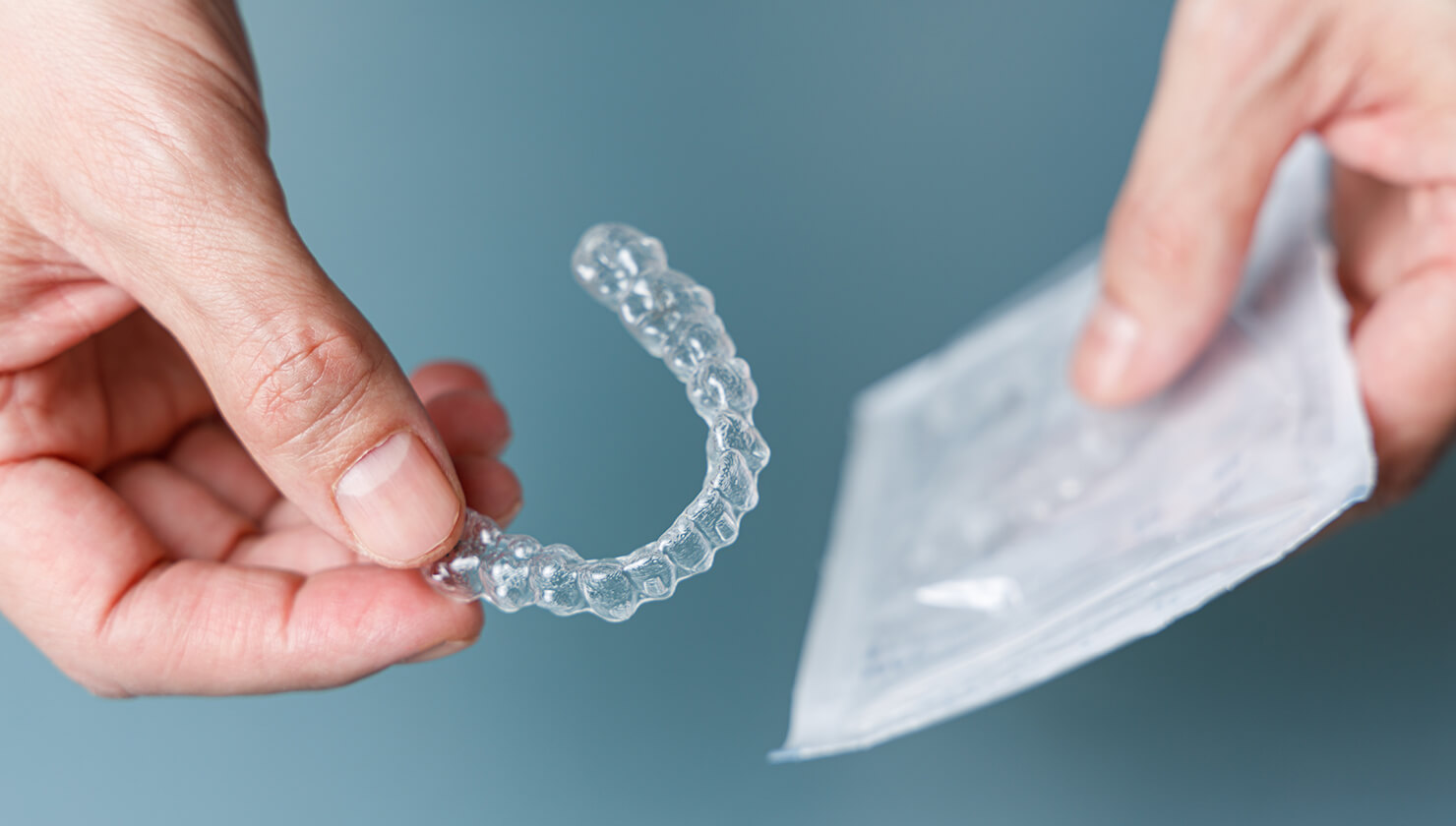
Invisalign has changed the way many patients think about straightening their teeth. Instead of brackets and wires, Invisalign uses clear, removable aligners that are custom-made for your smile. These aligners apply gentle pressure to gradually move teeth into healthier positions while fitting comfortably into daily life.
Because Invisalign aligners are clear and removable, many teens and adults choose this option when they want a more discreet orthodontic treatment. However, clear aligners are not the right choice for every bite or alignment concern. That is why every treatment plan should begin with a professional orthodontic evaluation.
At Norwalk Orthodontics, our team provides personalized Invisalign treatment for patients in Norwalk, CT and surrounding communities.
What Is Invisalign?
Invisalign uses a series of clear, removable aligners to move teeth over time. Each set of trays is slightly different from the last, helping guide the teeth closer to their ideal positions.
Invisalign may be used to treat many common orthodontic concerns, including:
- Crowded teeth
- Gaps or spacing between teeth
- Overbite
- Underbite
- Crossbite
- Open bite
- Mild to moderate bite concerns
- Minor shifting after previous orthodontic treatment
During your consultation, your orthodontist will evaluate your smile, bite, and treatment goals to determine whether Invisalign is the right option for you.
How Invisalign Works
Invisalign treatment begins with a consultation and digital scan. This scan helps your orthodontist map out each stage of tooth movement and create a custom series of aligners designed specifically for your smile.
Most patients switch to a new set of aligners every one to two weeks, depending on their treatment plan. The aligners should be worn for 20 to 22 hours per day and removed only for eating, drinking anything besides water, brushing, and flossing.
Regular checkups allow your orthodontist to monitor your progress and make sure your teeth are moving as planned. Once active treatment is complete, retainers help protect your new smile and prevent teeth from shifting back over time.
Benefits of Invisalign
Many patients choose Invisalign because it is discreet, convenient, and comfortable. Since the aligners are nearly invisible, they can be a great option for patients who want to straighten their teeth without drawing attention to their treatment.
Benefits of Invisalign may include:
- Clear, discreet aligners
- Removable trays for meals and snacks
- No brackets or wires
- Easier brushing and flossing
- Fewer food restrictions
- Smooth aligner material for added comfort
- A treatment option that fits into busy routines
Because the aligners are removable, patients can continue eating many of the foods they enjoy. Oral hygiene is also simpler because there are no brackets or wires to clean around.
Lifestyle Advantages of Invisalign
Invisalign can be especially appealing for working adults, students, athletes, and busy patients. The aligners fit into daily routines more easily than fixed appliances for many people.
Patients can remove the aligners for meals, brushing, flossing, photos, and special occasions. However, consistency is very important. Invisalign only works properly when the aligners are worn for the recommended amount of time each day.
Who Is a Good Candidate for Invisalign?
Invisalign may be a good option for patients with mild to moderate orthodontic concerns who can commit to wearing their aligners as instructed.
Good candidates for Invisalign are often patients who:
- Want a more discreet treatment option
- Have healthy teeth and gums
- Can wear aligners consistently
- Want fewer food restrictions
- Prefer removable orthodontic treatment
- Have crowding, spacing, or mild to moderate bite concerns
Severe bite issues or more complex tooth movement may require braces or another orthodontic treatment. Your orthodontist will explain your options after a complete evaluation.
Invisalign for Teens
Invisalign can be a great option for responsible teens who want a less noticeable way to straighten their teeth. Invisalign Teen aligners may include wear indicators that help patients and parents track whether the aligners are being worn consistently.
For teens, Invisalign can fit well with school, sports, instruments, photos, and special events. Success depends on wearing the aligners as directed and keeping them safe when they are removed.
Invisalign for Adults
Many adults choose Invisalign because it is discreet and convenient. Whether you are correcting long-standing alignment concerns or addressing teeth that have shifted over time, clear aligners can be an effective option when the teeth and gums are healthy.
Invisalign can fit into professional and personal routines without the appearance of traditional braces. For adults who want to improve their smile with a more subtle treatment option, Invisalign may be a great choice.
What Determines Invisalign Treatment Cost?
The cost of Invisalign depends on several factors, including:
- The complexity of your case
- The amount of tooth movement needed
- The number of aligners required
- The length of treatment
- The need for retainers after treatment
- Insurance benefits
- Available payment options
Because every smile is different, there is no one-size-fits-all cost for Invisalign. A consultation is the best way to receive an accurate estimate based on your specific needs.
Why Invisalign Costs Vary Between Patients
Invisalign costs vary because no two treatment plans are exactly the same. A patient with minor spacing may need fewer aligners and a shorter treatment plan than someone with more complex crowding or bite concerns.
Many dental insurance plans cover a portion of orthodontic treatment, and flexible payment options may be available. You can learn more about available options on the Finance & Insurance page.
How Long Does Invisalign Treatment Take?
Invisalign treatment time depends on the complexity of the case and how consistently the aligners are worn.
Some simple cases may be completed in as little as six months. Moderate cases often take 12 to 18 months. More complex corrections may take longer.
Your orthodontist will provide a more accurate estimate after reviewing your records, bite, and treatment goals.
Factors That Affect Invisalign Treatment Time
The biggest factor patients can control is wear time. Aligners should be worn for 20 to 22 hours each day. Taking them out too often or forgetting to put them back in can slow progress and extend treatment.
Other factors that can affect treatment time include:
- Severity of crowding or spacing
- Bite alignment concerns
- Patient age
- Consistency with aligner wear
- Missed appointments
- Lost or damaged aligners
- How well teeth respond to movement
Regular progress visits help your orthodontist make adjustments when needed and keep your treatment moving forward.
Invisalign vs. Traditional Braces
Both Invisalign and traditional braces can straighten teeth and improve bite alignment. The right option depends on your orthodontic needs, lifestyle, and treatment goals.
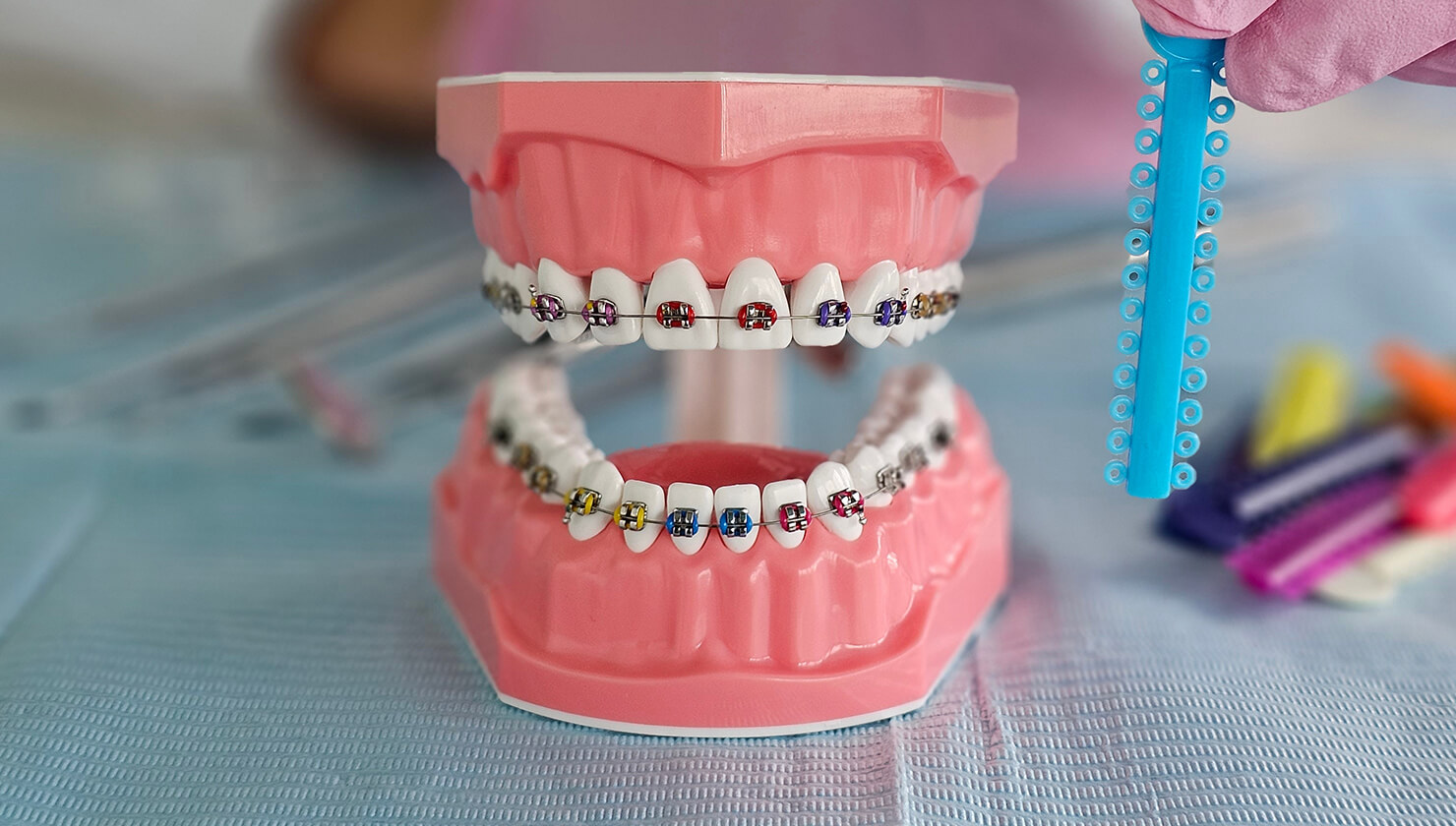
Braces are fixed to the teeth and provide continuous movement. They are often recommended for more complex tooth movement or bite correction.
Invisalign uses removable clear aligners. This makes eating, brushing, and flossing easier, but patients must be responsible about wearing their aligners consistently.
Neither option is automatically better for every patient. Your orthodontist can help determine which treatment is best for your smile.
Invisalign vs. Clear Braces
Clear braces are tooth-colored and less noticeable than traditional metal braces, but they are still attached to the teeth. Invisalign aligners are removable and nearly invisible.
Clear braces may be a better option for patients who want a discreet appearance but need the control of fixed braces. Invisalign may be a better fit for patients who want removable treatment and are good candidates for clear aligners.
The best choice depends on your bite, alignment needs, and ability to follow treatment instructions.
Questions to Ask During Your Invisalign Consultation
Your consultation is the best time to learn whether Invisalign is right for you. Helpful questions to ask include:
- Am I a good candidate for Invisalign?
- How long will my treatment take?
- How many hours per day should I wear my aligners?
- What happens if I lose an aligner?
- Are braces a better option for my case?
- Will I need retainers after treatment?
- What will Invisalign cost?
- What payment options are available?
If you are preparing for your first visit, you can review the New Patient Forms page before your appointment.
Why Personalized Treatment Planning Matters
Invisalign works best when treatment is carefully planned around the patient’s specific smile. Digital imaging, bite analysis, and a thorough orthodontic evaluation help create a plan that supports predictable tooth movement.
A personalized treatment plan allows your orthodontist to consider your tooth position, bite alignment, gum health, lifestyle, and long-term goals before recommending Invisalign or another orthodontic option.
Benefits of Choosing an Experienced Orthodontic Team
An experienced orthodontic team does more than provide aligners. They evaluate your bite, monitor your progress, answer questions, and make adjustments if treatment is not progressing as expected.
At Norwalk Orthodontics, patients receive personalized care throughout the Invisalign process. From the initial evaluation to regular progress checks and retention planning, the team helps patients work toward healthy, confident, long-lasting smiles.
Areas We Serve
Norwalk Orthodontics proudly provides Invisalign, clear aligners, braces, and comprehensive orthodontic treatment for patients in:
- Norwalk, CT
- Darien, CT
- Westport, CT
- Spring Hill
- South Norwalk
- East Norwalk
- Weston
- Surrounding Connecticut communities
Schedule an Invisalign Consultation in Norwalk, CT
Invisalign can be a clear, comfortable, and convenient way to straighten your smile. Whether you are a teen, adult, or parent exploring treatment options, Norwalk Orthodontics can help you determine whether Invisalign is the right fit.
To get started, contact Norwalk Orthodontics to schedule a consultation.
Frequently Asked Questions About Invisalign
Where can I get Invisalign in Norwalk, CT?
Norwalk Orthodontics offers Invisalign treatment in Norwalk, CT. Your orthodontist will evaluate your bite, alignment, and smile goals to determine whether clear aligners are the right option for you.
How much does Invisalign cost in Norwalk, CT?
The cost of Invisalign varies for each patient. Treatment complexity, treatment length, aligner count, insurance coverage, and payment options can all affect the total cost. A consultation provides the most accurate estimate.
Can adults get Invisalign in Norwalk, CT?
Yes. Invisalign can be a great option for adults who want to improve their smile without wearing a more visible appliance. The clear aligners are removable, comfortable, and easy to fit into professional and personal routines.
How long does Invisalign treatment take in Norwalk, CT?
Many Invisalign patients complete treatment in six to eighteen months, although more complex cases may take longer. Wearing aligners as directed and keeping scheduled appointments can help treatment stay on track.
Where can I get Invisalign near Darien, CT?
Patients from Darien, CT can visit Norwalk Orthodontics for Invisalign treatment. Every case begins with a thorough evaluation of the bite, alignment, and long-term oral health needs.
Is Invisalign better than braces?
Invisalign may be better for patients who want removable, discreet treatment and have mild to moderate orthodontic concerns. Braces may be better for more complex bite correction or significant tooth movement. The best option depends on your specific case.
Does Invisalign hurt?
Invisalign may cause mild pressure or soreness when switching to a new set of aligners. This is normal and usually means the aligners are working. Discomfort typically improves within a few days.
Do I need a retainer after Invisalign?
Yes. Most patients need retainers after Invisalign to help keep their teeth in their new positions. Retainers are an important part of protecting your results after treatment.
Book a Consultation
It’s easy and free!